
Protecting you and your customers – 10 ways to prevent data breaches
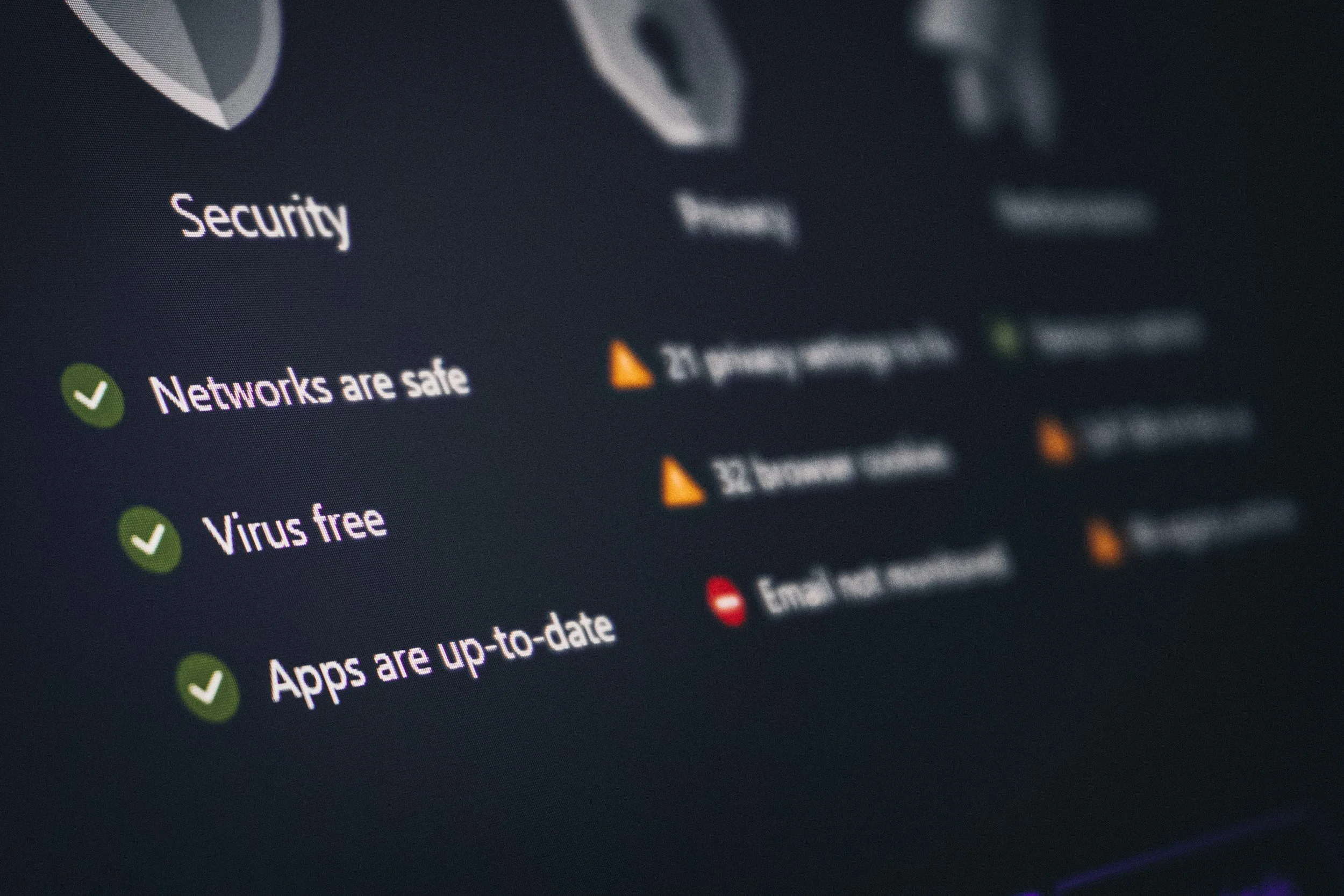
Data breaches can harm your business, as well as cost you money and trust.
Let’s look at how to stop them from happening, and what steps to take if one occurs.
What is a data breach?
A data breach is when someone steals information. This can be names, emails or credit card numbers of your customers or your employees. Breaches can lead to customer distrust in your business, profit loss and possible fines due to the release of confidential information. To operate as a business safely, it’s vital to stop them from occurring in the first place.
How do we prevent data breaches?
There are often multiple reasons why a data breach happens. We’ve got 10 tips that will keep both your business’ and your customers’ data safe.
1. Use strong passwords
Long, complex passwords are hard to guess, so include letters, numbers and symbols. It’s important to use a different password for every account! Sick of remembering passwords? We can help set you up with a small hardware security device, like YubiKey, which is able to prove the identity of your staff when logging into secure networks.
2. Update your software
Computer program updates usually patch security holes, and enabling automatic updates makes this so much easier to keep track of. Always keep your software up to date.
3. Train your employees
Teaching your employees about how to identify fake emails and suspicious links is a line of defense against scams. Tactics are changing all the time, so it’s good to stay updated on what the latest threats could be through Scamwatch.
4. Use encryption
Encrypting important information means only certain people can read and access it, making it unidentifiable to people outside of your business. This means that even if a breach does occur, the information stolen will be unusable.
5. Limit access to data
Not everyone needs to know everything, so only giving access to certain people keeps sensitive information secure. This can help to keep track of the number of people who have access when it comes to customer confidentiality.
6. Create backups of your data
Creating copies of your important information and keeping these copies in a safe location helps in the event that your data is stolen or destroyed. Always having a backup means that even if information is stolen, your business is still able to have access to it.
7. Use a firewall
Firewalls are critical in ensuring that your business information is blocked from outside access. This is one of the key methods for protecting your data.
8. Be careful with emails
Almost every data breach starts with a trick email, often known as phishing. Don’t open emails from people you don’t know, and ever click on links unless you are sure that they are safe. Setting up email filtering, so that unverified ones are flagged, can help you to identify them.
9. Protect your Wi-fi
Changing your Wi-fi password from its default and updating it regularly keeps your network safe from being accessed by people outside your organisation.
10. Have a plan
Sometimes, data breaches can happen despite the best laid plans, so it’s best to make one just in case a data breach happens. Prepare a procedure for:
1. Who you should contact after detecting a breach
2. Protecting your system in the immediate aftermath
3. Acting quickly to identify the problem
4. Contacting your customers to inform them of the breach
5. Fixing the problem that led to the breach
Do a practice drill so you’re ready if a breach happens. If one does occur, taking quick action is the best way to protect from further information loss.
How often should security be checked?
Doing a security check at least once a month keeps you updated and secure from new dangers that may emerge as technology progresses. Being informed about new threats is vital to ensuring that you’re continuing safe practices for data.
Can small businesses be targets for data breaches?
Most targets of data breaches are small businesses, given the impression that their security levels are not as high as larger corporations. Whatever size your business is, protection is the most important thing to consider.
How much does it cost to prevent a data breach?
Using technology to prevent data breaches is a cost that needs to be factored into running a business and will often cost less than fixing a breach after it’s happened. You can think of this as insurance for your data, an expense that the upfront cost is worth it for securing your business from outside threats. Got a budget? Contact us for further information and a tailored quote for your business.
Staying Safe and Secure
Data safety is about keeping your business and your customers safe, and being on guard against new threats. If you’re unsure of something, asking an expert is the best way to ensure the safety of your information. Be proactive about protecting your data, you never know when it might be too late to do so!
Want to learn more about how Widebay IT can help in protecting your business from cybersecurity threats? We offer cybersecurity in one package that covers every entry point and is looked after for you so you can focus on running your business.
Get in touch with us today!